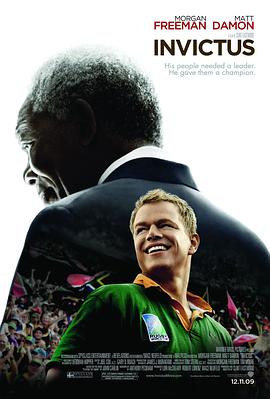
刚刚结束牢狱之灾的纳尔逊•曼德拉(摩根•弗里曼 Morgan Freeman 饰),竞选南非总统成功。他领导人们破除种族隔离制度,并身先士卒,雇佣白人护卫队,在各方面建立不同肤色的沟通。作为1995年橄榄球世界杯的东道主,南非重回国际体育大家庭。不过,南非的英式橄榄球队——队员均为白人的跳羚队,却被很多黑人看做种族歧视的代名词。为了破除隔膜,曼德拉高瞻远瞩,支持跳羚队与国外来访球队的交流比赛。他接见了跳羚队队长皮耶那(马特•达蒙 Matt Damon 饰),两人进行了推心置腹的交谈。后者带领着白人球员走访了南非各地,把橄榄球运动普及给普通民众,让这项运动成为了黑白联合的纽带…… 本片根据约翰•卡林的作品《与敌人战斗:纳尔逊曼德拉和一场改变国家的比赛》(Playing the Enemy:Nelson Mandela and the Game That Made a Nation)改编。
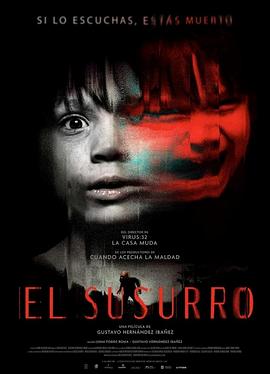
Fleeing from their violent father, siblings Lucía and Adrián take refuge in a remote mansion. With the help of a hidden micro-camera on a cat, Lucía uncovers a terrifying secret: their neighbors are part of a criminal network that kidnaps teenage girls to make snuff films, and they intend to get rid of the siblings. As Lucía fights to protect her brother, she must face a dark family curse that follows them into their newfound sanctuary.
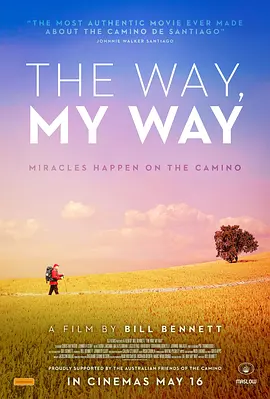
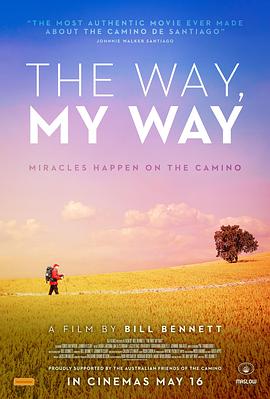
In 2013, an Australian man a few months shy of turning 60 decided to walk the Camino de Santiago – an 800km pilgrimage trail across the top of Spain. He had no known religion, and absolutely no idea why he felt so deeply compelled to do this torturous walk. But compelled, he was. He completed the walk, battling a “triumvirate of pain” - a knee that he later discovered lacked an...
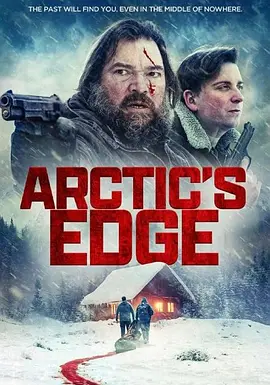
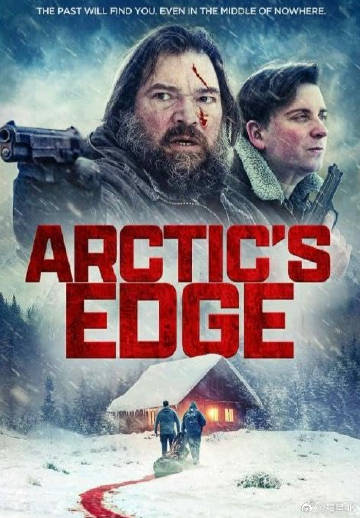
Calvin Trask lives in a dead end Arctic town on the fringes of society, until mysterious stranger Lucas Wade arrives, turning his solitary life upside down. Calvin's curiosity gets the better of him and is quickly pulled into Lucas' dangerous world. As secrets slowly unravel, Calvin realises just what kind of jeopardy he's put himself in, a place where murder and betrayal are a...
In 2013, an Australian man a few months shy of turning 60 decided to walk the Camino de Santiago – an 800km pilgrimage trail across the top of Spain. He had no known religion, and absolutely no idea why he felt so deeply compelled to do this torturous walk.
But compelled, he was.
He completed the walk, battling a “triumvirate of pain” - a knee that he later discovered lacked any meaningful cartilage, a blister the sight of which would make a grown man weep, and shin-soreness that felt like his lower limb had been split with a mountain axe wielded by a demented troll.
Arriving at the end of the Camino, the majestic cathedral in Santiago de Compostela, he expected an epiphany – an answer to the question he’d been asking himself every day: Why am I doing this?
But no answer came.
So when he got home he wrote a book, hoping the answer would reveal itself in his scribblings. The result was The Way, My Way, a humourous and self-deprecating book that many consider the best memoir ever written on walking the Camino.
The book has now been made into a film, and it’s an extraordinary account of a man at a pivotal point in his life, searching for meaning and finding himself undergoing a fundamental transformation so profound that he now divides his life into “Before the Camino” and “After the Camino.”
It’s a story particular to one man, yet of appeal to anyone seeking a greater meaning from life.