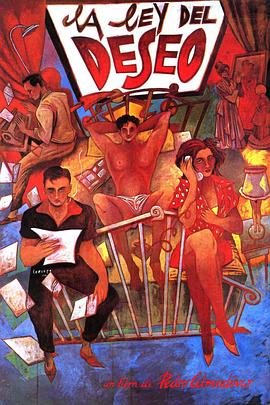
帕布罗·金特罗(欧塞维奥·庞塞拉 Eusebio Poncela饰)是西班牙一位赫赫有名的导演兼编剧,然而在如此光鲜亮丽的外表背后,他却有着不为人知的一面。他深深地爱着同性恋男友胡安·贝穆德斯(米格尔·莫利纳 Miguel Molina饰),然而胡安对他却颇为冷淡。帕布罗的姐姐蒂娜·金特罗(卡门·毛拉 Carmen Maura饰)是一个变性人,她在性方面遭遇过一次打击之后,便对男人充满了仇恨。蒂娜与女模特艾达(曼奴拉·沃拉斯科 Manuela Velasco饰)共同生活,然而艾达的女儿却爱上了帕布罗。当帕布罗结识了占有欲极强的安东尼奥·贝尼特斯(安东尼奥·班德拉斯 Antonio Banderas饰)后,所有的关系将变得更加混乱不堪。 由西班牙著名导演佩德罗·阿莫多瓦执导的影片《欲望法则》,荣获1987年第37届柏林国际电影节泰迪奖最佳长片大奖。本片内容涉及变性、乱伦、同性恋、男性裸体自渎等场面,透过这些对性与暴力犯罪夸张戏谑的描写,赤裸裸地向传统道德观念发起挑战。
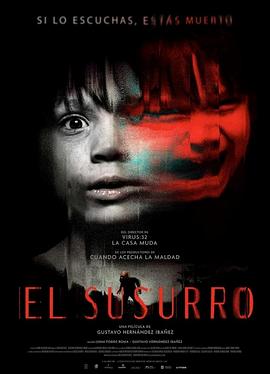
Fleeing from their violent father, siblings Lucía and Adrián take refuge in a remote mansion. With the help of a hidden micro-camera on a cat, Lucía uncovers a terrifying secret: their neighbors are part of a criminal network that kidnaps teenage girls to make snuff films, and they intend to get rid of the siblings. As Lucía fights to protect her brother, she must face a dark family curse that follows them into their newfound sanctuary.
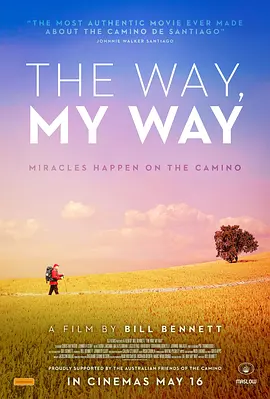
In 2013, an Australian man a few months shy of turning 60 decided to walk the Camino de Santiago – an 800km pilgrimage trail across the top of Spain. He had no known religion, and absolutely no idea why he felt so deeply compelled to do this torturous walk. But compelled, he was. He completed the walk, battling a “triumvirate of pain” - a knee that he later discovered lacked an...
Calvin Trask lives in a dead end Arctic town on the fringes of society, until mysterious stranger Lucas Wade arrives, turning his solitary life upside down. Calvin's curiosity gets the better of him and is quickly pulled into Lucas' dangerous world. As secrets slowly unravel, Calvin realises just what kind of jeopardy he's put himself in, a place where murder and betrayal are a...
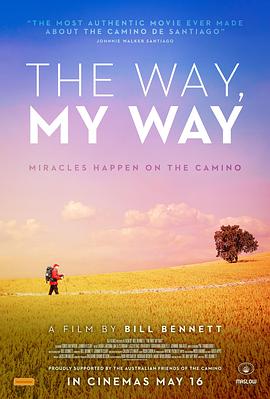
In 2013, an Australian man a few months shy of turning 60 decided to walk the Camino de Santiago – an 800km pilgrimage trail across the top of Spain. He had no known religion, and absolutely no idea why he felt so deeply compelled to do this torturous walk.
But compelled, he was.
He completed the walk, battling a “triumvirate of pain” - a knee that he later discovered lacked any meaningful cartilage, a blister the sight of which would make a grown man weep, and shin-soreness that felt like his lower limb had been split with a mountain axe wielded by a demented troll.
Arriving at the end of the Camino, the majestic cathedral in Santiago de Compostela, he expected an epiphany – an answer to the question he’d been asking himself every day: Why am I doing this?
But no answer came.
So when he got home he wrote a book, hoping the answer would reveal itself in his scribblings. The result was The Way, My Way, a humourous and self-deprecating book that many consider the best memoir ever written on walking the Camino.
The book has now been made into a film, and it’s an extraordinary account of a man at a pivotal point in his life, searching for meaning and finding himself undergoing a fundamental transformation so profound that he now divides his life into “Before the Camino” and “After the Camino.”
It’s a story particular to one man, yet of appeal to anyone seeking a greater meaning from life.