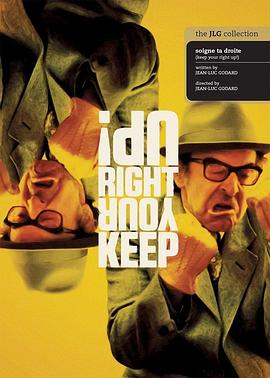
故事分成三個章節:主要的章節由高達親自飾演導演,正要趕乘飛機,在24小時內把一部電影的菲林交給監製;同時一隊二人流行電子音樂組合,不斷排練歌曲,最後在路上表演;另一邊廂,愚笨的大肥佬捲入一宗事件,被神秘女人密切監視,最後更被拘捕。三段故事看似毫無關連,實際是高達以電影來討論電影製作和藝術創作的重要。片名看似帶有弦外之音,就像高達暗示,假如監製或其他人要干擾導演的藝術創作,就索性我行我素,忠於自己的道路好了。這大概亦示範了高達如何純熟地運用電影媒體來做評論。
A film in three chapters: Godard plays the director in the main chapter, rushing to catch a plane to pass the negatives to his producer within 24 hours; an electronic duo keeps rehearsing for their roadshow; a clumsy fat man gets involved in an incident, and is arrested after being watched by a mysterious woman. Seemingly unrelated events, Godard is discussing the importance of film producer and artistic creativity. Godard is making the statement that if a producer or anyone interferes with creativity, it is better for the artist to go one's own way. A showpiece of how Godard uses the film media as his critical essay.
A satirical comedy that pokes fun at Spanish social and political stereotypes, featuring parodies of real events and special guest appearances from the political sphere.
7th century Arabia. A time of feuding tribes vying for power and supremacy. Courageous Princess Hind (Aiysha Hart) refuses to serve as concubine to the merciless Sassanid Emperor Kisra (Sir Ben Kingsley). Escaping with her father King Numan into the vast and unforgiving desert, Hind is pursued by Kisra’s mercenary and his bloodthirsty troops. Father and daughter are forced to trust a mysterious bandit (Anthony Mackie). Against all odds, Hind unites the fractious tribes against the powerful invading military of the Sassanid Empire. In an epic showdown, the Battle of Ze Qar will forever change the Arabian Peninsula and echo throughout history.
Fleeing from their violent father, siblings Lucía and Adrián take refuge in a remote mansion. With the help of a hidden micro-camera on a cat, Lucía uncovers a terrifying secret: their neighbors are part of a criminal network that kidnaps teenage girls to make snuff films, and they intend to get rid of the siblings. As Lucía fights to protect her brother, she must face a dark family curse that follows them into their newfound sanctuary.
In 2013, an Australian man a few months shy of turning 60 decided to walk the Camino de Santiago – an 800km pilgrimage trail across the top of Spain. He had no known religion, and absolutely no idea why he felt so deeply compelled to do this torturous walk. But compelled, he was. He completed the walk, battling a “triumvirate of pain” - a knee that he later discovered lacked an...
Calvin Trask lives in a dead end Arctic town on the fringes of society, until mysterious stranger Lucas Wade arrives, turning his solitary life upside down. Calvin's curiosity gets the better of him and is quickly pulled into Lucas' dangerous world. As secrets slowly unravel, Calvin realises just what kind of jeopardy he's put himself in, a place where murder and betrayal are a...
In 2013, an Australian man a few months shy of turning 60 decided to walk the Camino de Santiago – an 800km pilgrimage trail across the top of Spain. He had no known religion, and absolutely no idea why he felt so deeply compelled to do this torturous walk.
But compelled, he was.
He completed the walk, battling a “triumvirate of pain” - a knee that he later discovered lacked any meaningful cartilage, a blister the sight of which would make a grown man weep, and shin-soreness that felt like his lower limb had been split with a mountain axe wielded by a demented troll.
Arriving at the end of the Camino, the majestic cathedral in Santiago de Compostela, he expected an epiphany – an answer to the question he’d been asking himself every day: Why am I doing this?
But no answer came.
So when he got home he wrote a book, hoping the answer would reveal itself in his scribblings. The result was The Way, My Way, a humourous and self-deprecating book that many consider the best memoir ever written on walking the Camino.
The book has now been made into a film, and it’s an extraordinary account of a man at a pivotal point in his life, searching for meaning and finding himself undergoing a fundamental transformation so profound that he now divides his life into “Before the Camino” and “After the Camino.”
It’s a story particular to one man, yet of appeal to anyone seeking a greater meaning from life.