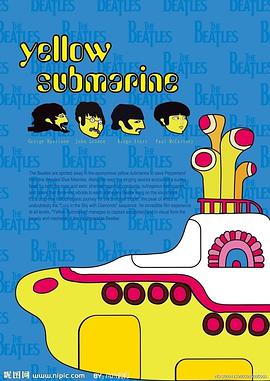
本片是一部将伟大的摇滚乐队披头士的音乐和波普视觉艺术完美结合而成的二维插画风格的动画片,整部片子中共穿插了披头士的15首经典歌曲。影片讲述了披头士成员保罗·麦卡特尼在半梦半醒之间来到花椒国,这是一个讨厌音乐的地方,正遭遇蓝色恶魔的侵略,老船长弗莱德召集披头士成员一同乘坐黄色潜水艇共同保卫花椒国。
披头士音乐贯穿整个影片中:影片开头用George Martin(乔治·马丁,披头士音乐制作人)的弦乐描述祥和的花椒国,接着由Ringo Starr (林格·斯塔尔,披头士鼓手)演唱的“黄色潜水艇”(Yellow Submarine)则象征着花椒人民的朝气蓬勃。然而好景不长,坏蛋蓝心恶魔开始破坏花椒国的快乐与宁静,老船长征召披头士成员“一起来吧”(Come Together),联手抗击蓝心恶魔,披头士成员装扮成花椒军士在“帕伯军士孤独之心俱乐部乐队”(Sgt Peppers Lonely Heart Club Band)的音乐中击溃了敌人,维护了他们的信念——“你需要的就是爱”(All You Need Is Love),拯救了花椒国。
Fleeing from their violent father, siblings Lucía and Adrián take refuge in a remote mansion. With the help of a hidden micro-camera on a cat, Lucía uncovers a terrifying secret: their neighbors are part of a criminal network that kidnaps teenage girls to make snuff films, and they intend to get rid of the siblings. As Lucía fights to protect her brother, she must face a dark family curse that follows them into their newfound sanctuary.
In 2013, an Australian man a few months shy of turning 60 decided to walk the Camino de Santiago – an 800km pilgrimage trail across the top of Spain. He had no known religion, and absolutely no idea why he felt so deeply compelled to do this torturous walk. But compelled, he was. He completed the walk, battling a “triumvirate of pain” - a knee that he later discovered lacked an...
Calvin Trask lives in a dead end Arctic town on the fringes of society, until mysterious stranger Lucas Wade arrives, turning his solitary life upside down. Calvin's curiosity gets the better of him and is quickly pulled into Lucas' dangerous world. As secrets slowly unravel, Calvin realises just what kind of jeopardy he's put himself in, a place where murder and betrayal are a...
In 2013, an Australian man a few months shy of turning 60 decided to walk the Camino de Santiago – an 800km pilgrimage trail across the top of Spain. He had no known religion, and absolutely no idea why he felt so deeply compelled to do this torturous walk.
But compelled, he was.
He completed the walk, battling a “triumvirate of pain” - a knee that he later discovered lacked any meaningful cartilage, a blister the sight of which would make a grown man weep, and shin-soreness that felt like his lower limb had been split with a mountain axe wielded by a demented troll.
Arriving at the end of the Camino, the majestic cathedral in Santiago de Compostela, he expected an epiphany – an answer to the question he’d been asking himself every day: Why am I doing this?
But no answer came.
So when he got home he wrote a book, hoping the answer would reveal itself in his scribblings. The result was The Way, My Way, a humourous and self-deprecating book that many consider the best memoir ever written on walking the Camino.
The book has now been made into a film, and it’s an extraordinary account of a man at a pivotal point in his life, searching for meaning and finding himself undergoing a fundamental transformation so profound that he now divides his life into “Before the Camino” and “After the Camino.”
It’s a story particular to one man, yet of appeal to anyone seeking a greater meaning from life.