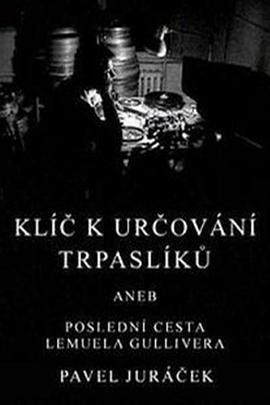
这是一部关于一位早逝的电影天才的散文式纪录片,《格列佛最后的旅行》用日记+影像的形式再现了1964-1972年捷克导演帕维尔·祖拉塞克的私人生活,他的情感困扰和动荡的时代背景,帕维尔生前只留下了两部电影和33篇日记,1964年29岁的他刚刚独立拍完一部短片并写了几本出色的电影剧本,一个有天赋的年轻编剧即将要成为导演,然而与妻子的矛盾也逐渐显现在艺术家过于自我的生活里,那时新浪潮刚刚萌芽不久,卡罗维发利影展吸引了众多世界的目光,一批刚毕业的青年导演也初露锋芒,包括帕维尔在内的许多人都看到了实现个人梦想的机遇。。。68年前后的改革让布拉格迎来了春天,青年人的生活色彩开始丰富,新潮和时尚充满在这座东欧小城里,可帕维尔的生活却逐渐脱离轨道,妻子离她而去,带走了可爱的女儿,而他正困扰于新剧本的创作,他开始怀疑自己的一些想法,甚至觉得自己也许并不适合做这一行。。。
当苏联坦克悍然侵入布拉格时,帕维尔选择了沉默,并没有像其他人那样走上街头抗议,而是以电影为控诉极权暴力的途径,尽管在《为年轻刽子手的辩护》中这样的主题显得并不是很直白露骨,但事实上隐藏的含意是不言而喻的,而这也决定了帕维尔和他的电影的命运,影片只在一座小剧院里放映了两周就被禁,帕维尔连同埃德尔瓦·朔尔姆、杨·南曼奇、乔拉·赫兹等人一起上了捷克秘密警察的黑名单,他的工作室被迫关闭,胶片拷贝被没收,那段时期他彻底放下了电影,重新组建了新的家庭,并有了儿子,可谁又知道一个受到禁锢而无法展示自己才华的艺术家心中真正的苦闷呢,十七年后当丝绒革命即将爆发之前,54岁的帕维尔却没能等到重获自由的那一天。
影片由帕维尔的儿子马瑞克扮演父亲,片中贯穿头尾的画外音朗读日记也是由他亲自叙述的,导演马丁·苏黎克用家庭电影的实验性拍摄手法将一个艺术家短暂而悲剧的一生展现在观众眼前,时代是如何影响个人的命运,黑白与彩色交织的画面暗示着帕维尔分离的情感世界,一种是与女儿在一起时的温馨,另一种是陷入孤独和迷惘时的无助,在他的眼中我看到了忧伤,即使与家人相处时他的安静的目光背后依然有着深深的痛苦感,对前妻的愧疚,对女儿的思念依然折磨着他的心灵。摄影机始终跟随着主人公,一点一滴地记录下生活的全部,略带苛砾感的影像构建起一个很私人的空间,但生活毕竟是可以被再现的,而特殊的时代却是很难去复制的,所以影片里还插入了不少真实的纪录影像,将真实的场景与演员的再现两者结合为一体,剪接处丝毫没有唐突感。
在我看来尽管帕维尔·祖拉塞克的遭遇能代表捷克新浪潮一代从最初的充满理想到被无情扼杀再到逐渐归于沉寂的悲剧结局,但他更多还是作为一个普通人而存在,他的生活里也有着普通人的爱恨得失,有着那个年代东欧人生活中共同的压抑和痛苦,人们应该记住他和他的电影,记住那段悲伤的往事,但历史并不能倒转,传奇也不可能再去重复。
《格列佛最后的旅行》(The Key for Determining Dwarfs or The Last Travel of Lemuel Gulliver),2002年,58分钟,黑白+彩色,捷克共和国。03年捷克评论家协会最佳纪录片奖;03年德国威斯巴登东欧电影节最佳影片金百合花奖。
A satirical comedy that pokes fun at Spanish social and political stereotypes, featuring parodies of real events and special guest appearances from the political sphere.
7th century Arabia. A time of feuding tribes vying for power and supremacy. Courageous Princess Hind (Aiysha Hart) refuses to serve as concubine to the merciless Sassanid Emperor Kisra (Sir Ben Kingsley). Escaping with her father King Numan into the vast and unforgiving desert, Hind is pursued by Kisra’s mercenary and his bloodthirsty troops. Father and daughter are forced to trust a mysterious bandit (Anthony Mackie). Against all odds, Hind unites the fractious tribes against the powerful invading military of the Sassanid Empire. In an epic showdown, the Battle of Ze Qar will forever change the Arabian Peninsula and echo throughout history.
Fleeing from their violent father, siblings Lucía and Adrián take refuge in a remote mansion. With the help of a hidden micro-camera on a cat, Lucía uncovers a terrifying secret: their neighbors are part of a criminal network that kidnaps teenage girls to make snuff films, and they intend to get rid of the siblings. As Lucía fights to protect her brother, she must face a dark family curse that follows them into their newfound sanctuary.
In 2013, an Australian man a few months shy of turning 60 decided to walk the Camino de Santiago – an 800km pilgrimage trail across the top of Spain. He had no known religion, and absolutely no idea why he felt so deeply compelled to do this torturous walk. But compelled, he was. He completed the walk, battling a “triumvirate of pain” - a knee that he later discovered lacked an...
Calvin Trask lives in a dead end Arctic town on the fringes of society, until mysterious stranger Lucas Wade arrives, turning his solitary life upside down. Calvin's curiosity gets the better of him and is quickly pulled into Lucas' dangerous world. As secrets slowly unravel, Calvin realises just what kind of jeopardy he's put himself in, a place where murder and betrayal are a...
In 2013, an Australian man a few months shy of turning 60 decided to walk the Camino de Santiago – an 800km pilgrimage trail across the top of Spain. He had no known religion, and absolutely no idea why he felt so deeply compelled to do this torturous walk.
But compelled, he was.
He completed the walk, battling a “triumvirate of pain” - a knee that he later discovered lacked any meaningful cartilage, a blister the sight of which would make a grown man weep, and shin-soreness that felt like his lower limb had been split with a mountain axe wielded by a demented troll.
Arriving at the end of the Camino, the majestic cathedral in Santiago de Compostela, he expected an epiphany – an answer to the question he’d been asking himself every day: Why am I doing this?
But no answer came.
So when he got home he wrote a book, hoping the answer would reveal itself in his scribblings. The result was The Way, My Way, a humourous and self-deprecating book that many consider the best memoir ever written on walking the Camino.
The book has now been made into a film, and it’s an extraordinary account of a man at a pivotal point in his life, searching for meaning and finding himself undergoing a fundamental transformation so profound that he now divides his life into “Before the Camino” and “After the Camino.”
It’s a story particular to one man, yet of appeal to anyone seeking a greater meaning from life.