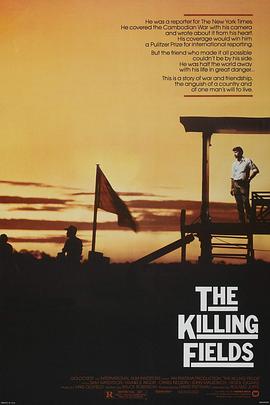
1972年,美军在越南溃败撤离柬埔寨之后,纽约时报驻柬埔寨的战地记者辛尼(萨姆·沃特森 Sam Waterston饰)仍留在当地继续采访。柬埔寨人潘迪(吴汉润 Haing S. Ngor饰)是辛尼的当地翻译兼助手。辛尼在潘迪的帮助下,多次化险为夷逃过鬼门关。两人在战火纷飞中结下了深厚的友谊。1975年,红色高棉占领金边。辛尼得以全身而退,然而潘迪却因为没有护照而被捕,开始了生不如死的地狱生活。在柬共的劳动改造中,潘迪目睹了红色高棉政权的残暴血腥,受到了非人的待遇。1978年,越共入侵柬埔寨,潘迪趁机逃亡到泰国边境,与一直在寻找他的老朋友辛尼重逢。
本片荣获1985年第57届奥斯卡金像奖最佳男配角、最佳摄影和最佳电影剪辑三项大奖。
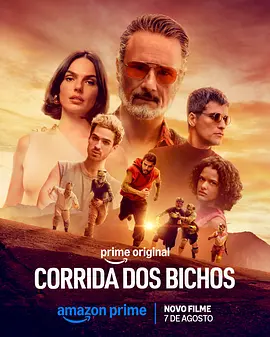
Fleeing from their violent father, siblings Lucía and Adrián take refuge in a remote mansion. With the help of a hidden micro-camera on a cat, Lucía uncovers a terrifying secret: their neighbors are part of a criminal network that kidnaps teenage girls to make snuff films, and they intend to get rid of the siblings. As Lucía fights to protect her brother, she must face a dark family curse that follows them into their newfound sanctuary.
In 2013, an Australian man a few months shy of turning 60 decided to walk the Camino de Santiago – an 800km pilgrimage trail across the top of Spain. He had no known religion, and absolutely no idea why he felt so deeply compelled to do this torturous walk. But compelled, he was. He completed the walk, battling a “triumvirate of pain” - a knee that he later discovered lacked an...
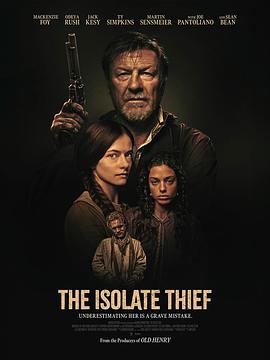
Calvin Trask lives in a dead end Arctic town on the fringes of society, until mysterious stranger Lucas Wade arrives, turning his solitary life upside down. Calvin's curiosity gets the better of him and is quickly pulled into Lucas' dangerous world. As secrets slowly unravel, Calvin realises just what kind of jeopardy he's put himself in, a place where murder and betrayal are a...
In 2013, an Australian man a few months shy of turning 60 decided to walk the Camino de Santiago – an 800km pilgrimage trail across the top of Spain. He had no known religion, and absolutely no idea why he felt so deeply compelled to do this torturous walk.
But compelled, he was.
He completed the walk, battling a “triumvirate of pain” - a knee that he later discovered lacked any meaningful cartilage, a blister the sight of which would make a grown man weep, and shin-soreness that felt like his lower limb had been split with a mountain axe wielded by a demented troll.
Arriving at the end of the Camino, the majestic cathedral in Santiago de Compostela, he expected an epiphany – an answer to the question he’d been asking himself every day: Why am I doing this?
But no answer came.
So when he got home he wrote a book, hoping the answer would reveal itself in his scribblings. The result was The Way, My Way, a humourous and self-deprecating book that many consider the best memoir ever written on walking the Camino.
The book has now been made into a film, and it’s an extraordinary account of a man at a pivotal point in his life, searching for meaning and finding himself undergoing a fundamental transformation so profound that he now divides his life into “Before the Camino” and “After the Camino.”
It’s a story particular to one man, yet of appeal to anyone seeking a greater meaning from life.