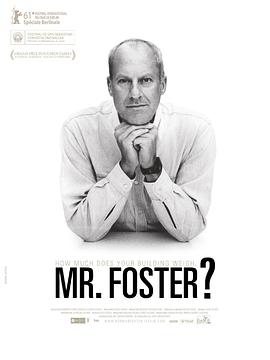
「每一件事情都能激發我的靈感,有時候我感覺我能看到別人看不到的東西 。」Norman Foster。英國建築師 Norman Forster 為高技派代表人物,曾提出建造世界第一大廈的前衛觀點,是當代建築中最具遠見的思想家,這部電影即紀錄 Norman Forster 的生平,以及他致力用設計讓生活更多采多姿的堅定追求。本片探 Norman Foster 的代表作,及其創作靈感來源,如中國北京首都國際機場、柏林國會大廈修復工程、環保概念為出發點的紐約赫斯特大樓,以及位於法國擁有世界上最高橋樑之稱的米洛高架橋。影片也找來曾獲普立茲克建築獎 Richard Rogers、藝術家 Anish Kapoor 、抽像雕塑藝術大師 Anthony Caro、哲學家Alain de Botton ,甚至邀請了樂隊 U2 主唱 Bono 在電影中分享他們對 Nor...
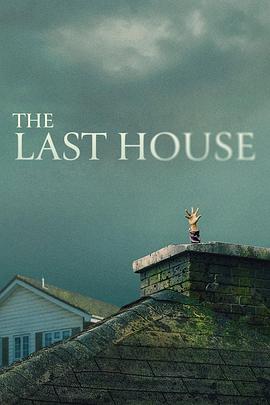
Fleeing from their violent father, siblings Lucía and Adrián take refuge in a remote mansion. With the help of a hidden micro-camera on a cat, Lucía uncovers a terrifying secret: their neighbors are part of a criminal network that kidnaps teenage girls to make snuff films, and they intend to get rid of the siblings. As Lucía fights to protect her brother, she must face a dark family curse that follows them into their newfound sanctuary.
In 2013, an Australian man a few months shy of turning 60 decided to walk the Camino de Santiago – an 800km pilgrimage trail across the top of Spain. He had no known religion, and absolutely no idea why he felt so deeply compelled to do this torturous walk. But compelled, he was. He completed the walk, battling a “triumvirate of pain” - a knee that he later discovered lacked an...
Calvin Trask lives in a dead end Arctic town on the fringes of society, until mysterious stranger Lucas Wade arrives, turning his solitary life upside down. Calvin's curiosity gets the better of him and is quickly pulled into Lucas' dangerous world. As secrets slowly unravel, Calvin realises just what kind of jeopardy he's put himself in, a place where murder and betrayal are a...
In 2013, an Australian man a few months shy of turning 60 decided to walk the Camino de Santiago – an 800km pilgrimage trail across the top of Spain. He had no known religion, and absolutely no idea why he felt so deeply compelled to do this torturous walk.
But compelled, he was.
He completed the walk, battling a “triumvirate of pain” - a knee that he later discovered lacked any meaningful cartilage, a blister the sight of which would make a grown man weep, and shin-soreness that felt like his lower limb had been split with a mountain axe wielded by a demented troll.
Arriving at the end of the Camino, the majestic cathedral in Santiago de Compostela, he expected an epiphany – an answer to the question he’d been asking himself every day: Why am I doing this?
But no answer came.
So when he got home he wrote a book, hoping the answer would reveal itself in his scribblings. The result was The Way, My Way, a humourous and self-deprecating book that many consider the best memoir ever written on walking the Camino.
The book has now been made into a film, and it’s an extraordinary account of a man at a pivotal point in his life, searching for meaning and finding himself undergoing a fundamental transformation so profound that he now divides his life into “Before the Camino” and “After the Camino.”
It’s a story particular to one man, yet of appeal to anyone seeking a greater meaning from life.