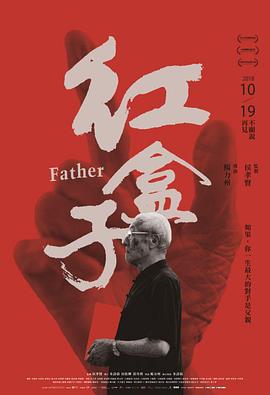
陳錫煌,已故布袋戲大師李天祿的長子。李天祿因入贅陳家,長子按規定得姓陳。父親巨人般的身影、異姓父子的特殊關係,為兩人種下難解心結。2009 年,高齡七十九歲的陳錫煌離開家族庇蔭,只帶著紅盒子內供奉的戲神田都元帥,用自己的名字另創劇團,成為深獲國內外肯定的人間國寶。然而,傳統布袋戲的快速沒落,卻又讓他面臨空有一身絕學、慷慨授藝不藏私,可是後繼者寥寥可數的困境⋯⋯。
楊力州愛看布袋戲,工作室取名「後場」,意指拍紀錄片一如為布袋戲敲鑼打鼓的樂陣,是在陪襯鏡頭裡的精彩人生。《紅盒子》製作歷時十年,不只紀錄八旬長者的傳承使命、探究兩代國寶間的矛盾,更以大銀幕展現老師傅為戲偶注入靈魂的掌中技藝,企圖將傳統布袋戲的獨特魅力,重新帶回常民生活。
Chen Hsi-huang is the eldest son of Li Tien-lu, the renowned Taiwanese glove puppeteer, but his relationship with his father had always been strained. At the age of 79, Chen set up his own troupe, which soon earned recognition all over the world.
Nevertheless, Chen finds no one to pass on his great skills...
本片與2010年為NHK剪輯的一小時內版本不同
Публицистический киноочерк о возрождении Советской страны, разрушенной иностранной военной интервенцией и гражданской войной. Режиссер фильма был награжден орденом Красной Звезды за отличное раскрытие темы социалистического строительства.
Timeshift charts the evolution of the British postage stamp and examines how these sticky little labels became a national obsession. Like many of us, writer and presenter Andrew Martin collected stamps when he was young, and now he returns to that lost world to unpeel the history of iconic stamps like the Penny Black and the Blue Mauritius, study famous collectors like King George V and the enigmatic Count Phillip de Ferrary, and to meet present-day philatelists at a stamp club.
在本片中,《豪斯医生》主演休•劳瑞将脱下白大褂,换上村夫装。带领您一同前往美国新奥尔良,领略这座城市的魅力,聆听最原汁原味的蓝调音乐。他边弹边唱(你没听错,房子叔私下是位灰常有前途的蓝调歌手),将蓝调历史上的趣事信手捏来,抒发对这座城市和蓝调音乐由来已久的仰慕之情。可以说《休•劳瑞的蓝调之旅》不但是一部很好的蓝调知识启蒙素材,也是一场蓝调音乐盛宴。
片中休•劳瑞的新奥尔良试听会现场为2012年首次公开,之前只有少部分音乐评论人/记者有幸一睹。试听会曲目收于专辑《Let Them Talk(风言风语)》中,此专辑于2011年发行,旋即占据蓝调排行榜第一名,在流行榜上也有不俗表现,可以算是一张成功的专辑。专业评论界总的说赞扬声居多,但也有人质疑其唱功(vocalability)和感染力(delivery)。但不管怎么说,休•劳瑞是一位真正的音乐家、爱乐者,而绝不是哗众取宠之流。
Inspired by W.G. Sebald’s book and based on WWII archive footage, the film puts forward the question: is it morally acceptable to use civilian population as a means of war? Is it possible to justify mass destruction for the sake of higher “moral” ideals? The question remains as relevant today, as it was 80 years ago, and its urgency is tragically manifested in the current events.