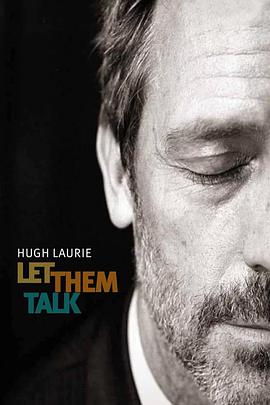
在本片中,《豪斯医生》主演休•劳瑞将脱下白大褂,换上村夫装。带领您一同前往美国新奥尔良,领略这座城市的魅力,聆听最原汁原味的蓝调音乐。他边弹边唱(你没听错,房子叔私下是位灰常有前途的蓝调歌手),将蓝调历史上的趣事信手捏来,抒发对这座城市和蓝调音乐由来已久的仰慕之情。可以说《休•劳瑞的蓝调之旅》不但是一部很好的蓝调知识启蒙素材,也是一场蓝调音乐盛宴。
片中休•劳瑞的新奥尔良试听会现场为2012年首次公开,之前只有少部分音乐评论人/记者有幸一睹。试听会曲目收于专辑《Let Them Talk(风言风语)》中,此专辑于2011年发行,旋即占据蓝调排行榜第一名,在流行榜上也有不俗表现,可以算是一张成功的专辑。专业评论界总的说赞扬声居多,但也有人质疑其唱功(vocalability)和感染力(delivery)。但不管怎么说,休•劳瑞是一位真正的音乐家、爱乐者,而绝不是哗众取宠之流。
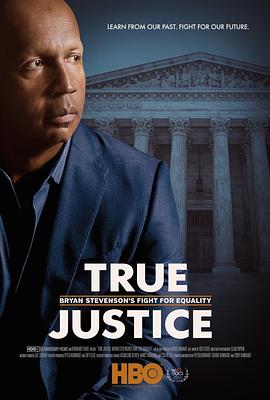
True Justice: Bryan Stevenson's Fight for Equality shows public interest attorney Bryan Stevenson's struggle to create greater fairness in the legal system and demonstrates how racial injustice emerged, evolved and continues to threaten the country, challenging viewers to confront it.
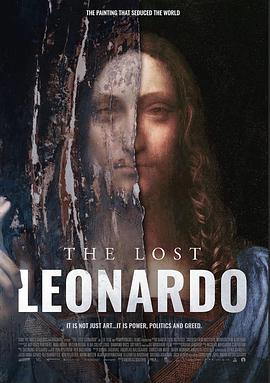
Leonardo da Vinci笔下画作《Salvator Mundi》自2017年以$4.5亿美元成交后,一举为世人所熟知,更被称为男版《Mona Lisa》,殊不知这幅画最初是在New Orleans一家乏人问津的拍卖行寻得,当时更仅以$ 1,100美元售出,在经过寻常的廉价工法修复时才真正令隐藏的精湛画技被重新注意,随后价值水涨船高,尽管至今仍有不少人质疑它出自Leonardo da Vinci之手的真实性。
而纪录片《The Lost Leonardo》便是以《Salvator Mundi》为题,深入探讨其神秘起源与阴暗面,同时除了艺术本身,更带到了伴随艺术的权力金钱斗争,背后牵扯的正式金字塔顶层的人与全球最具权势的艺术机构。
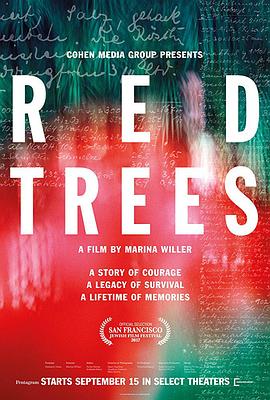
Award-winning filmmaker, Marina Willer (Cartas da Mãe), creates an impressionistic visual essay as she traces her father’s family journey as one of only twelve Jewish families to survive the Nazi occupation of Prague during World War II. Photographed by Academy Award® nominee César Charlone (City of God), the film travels from war-torn Eastern Europe to the color and light of South America and is told through the voice of Willer’s father Alfred (as narrated by Tim Piggot Smith, Quantum of Solace), who witnessed bureaucratic nightmares, transportations and suicides but survived to build a post-war life as an architect in Brazil. As the world struggles with the current refugee crisis, RED TREES is a timely look at a family besieged by war who finds peace across an ocean.
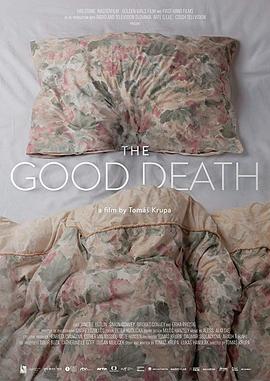
Terminally ill Janette wants to die with dignity, but it’s not possible in the UK, where she lives. She therefore decides for assisted suicide. She must plan her journey to Switzerland before her rapidly advancing disease makes it impossible. The question of whether we own our own lives or whether they own us is the primary impetus behind this documentary portrait, which shows that death can be good despite the sadness that always accompanies it. The film, with dramatically suggestive camera work, uses feature film techniques, and engaging characters and stories of their loved ones are interwoven with Janette’s story.
"Let's talk about death because we will all die someday. The question is: can we choose when and how? I think we should." T. Krupa