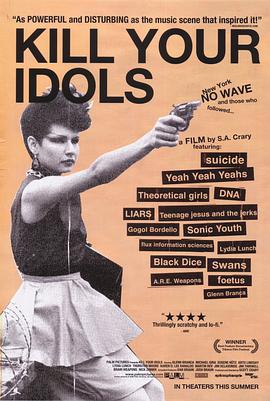
几十年过去了,70年代纽约下东区的无浪潮艺术家们在那时都已厌倦Chuck Berry式和弦与一切传统摇滚乐的东西,你无法看到两支相同的无浪潮乐队。虽然这场革命昙花一现,但是他们创造出了音乐崭新走向的可能。
由Scott Crary执导,于2004年上映的地下无浪潮运动历史纪录片—《Kill Your Idols》,采访了纽约地下最反叛的一群先锋艺术家们:Teenage Jesus
the Jerks, DNA, Sonic Youth, Liars...
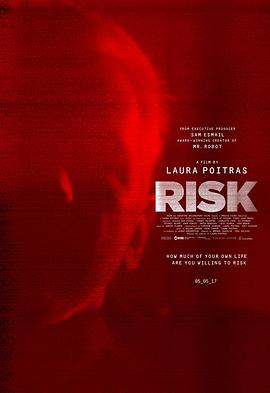
劳拉·珀特阿斯因导演《第四公民》被大众所知。这部影片将关注到另一个在互联网掀起巨浪的人——朱利安·阿桑奇。在一个小小的建筑中被围困了五年, 即使他面临法律上威胁,阻止他所领导的组织和运动, 朱利安•阿桑奇也没有被吓倒。通过拍摄这部影片,导演劳拉发现自己困在了阿桑奇的动机、矛盾和内心之间。
Filmed over six years, Risk (2016) is a character study that collides with a high stakes election year and its controversial aftermath. Cornered in a tiny building for half a decade, Julian Assange is undeterred even as the legal jeopardy he faces threatens to undermine the organization he leads and fracture the movement he inspired. Capturing this story, director Laura Poitras finds herself caught between the motives and contradictions of Assange and his inner circle.
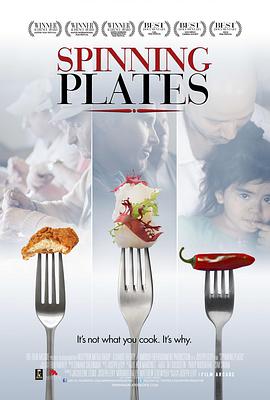
Spinning Plates is a documentary about three extraordinary restaurants and the incredible people who make them what they are. A cutting-edge restaurant named the seventh-best in the world whose chef must battle a life-threatening obstacle to pursue his passion. A 150-year-old family restaurant still standing only because of the unbreakable bond with its community. A fledgling Mexican restaurant whose owners are risking everything just to survive and provide for their young daughter. Their unforgettable stories of family, legacy, passion and survival come together to reveal how meaningful food can be, and the power it has to connect us to one another.
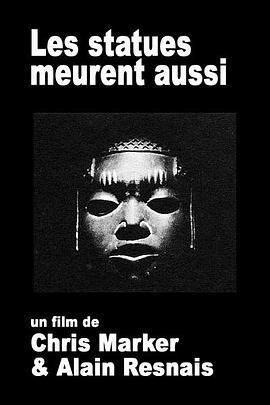
《雕像也会死亡》(Les statues meurent aussi,阿兰·雷乃、克里斯·马尔凯,1953年出品,27分钟)尖锐地批评了西方殖民主义对非洲传统艺术的戕害以及自称热爱非洲艺术的上等阶层的贪婪与伪善。本片的主角是来自黑非洲的人物雕像、面具和其他非洲艺术品,但是它们的演出场所并非黑人的故乡,而是白人的欧洲,艺术品市场和艺术品拍卖会是它们频频出没和滞留的中转地。这些本来被非洲部族用来抵抗死亡的面具和雕像,如今却呆在博物馆的橱窗里静静地死去。此时,画外音告诉我们:“当人死去的时候,他便进入了历史;当这些雕像死去的时候,它们进入了艺术;这种关于死亡的学问,我们最后称之为文化。”由于本片具有鲜明而强烈的社会批判意识,自拍竣之日起即遭到法国政府禁映,直到1963年才解禁。本片由长于剪辑的阿兰·雷乃操刀剪辑,由强于写作的克里斯·马尔凯撰写解说,充分发挥了两人各自的强项,可谓强强合作的结晶。
This collaborative film, banned for more than a decade by French censors as an attack on French colonialism (and now available only in shortened form), is a deeply felt study of African art and the decline it underwent as a result of its contact with Western civilization. Marker's characteristically witty and thoughtful commentary is combined with images of a stark formal beauty in this passionate outcry against the fate of an art that was once integral to communal life but became debased as it fell victim to the demands of another culture.