导演是新浪潮导演中不太为人熟知的让·丹尼尔·波莱(Jean-Daniel Pollet)。上世纪50年代末期,波莱被认为是法国新浪潮诸子中最有才能的一个,波莱虽然比察布罗尔、戈达、特吕福、里维尔还年轻,但是在他们的光芒笼罩之下,波莱就没那么惹人注目,但他被誉为最善于捕捉普通人情感的导演。生于里尔,波莱大学时代学的是哲学,在看了约翰·福特(John Ford)的《蓬门今始为君开》(The Quiet Man)之后,深受震动,并迅速决定改学电影。1957年,时年27岁正在服兵役的波莱在法国军方电影部学习电影技术。稍后,他成为大导演杜其维(Julien Duvivier)的助手,拍摄费尔南德尔(Fernandel)主演的系列片《穿雨衣的男人》(The Man In The Raincoat)。这个工作对波莱来说,“学到了应该做的事情”。他和他同时代的年轻电影人一样,正在努力打破法国电影传统。有一次他在巴黎郊区的一个舞厅拍摄的时候,波莱认识了克劳德·迈奇(Claude Melki),一个有点矮小、带点自卑、年轻的裁缝学徒。可是在迈奇身上,波莱发现了他个性的另一面。他决定拍摄他的首部电影,一部名为《只要酒醉不醒》(Pourvu Qu'on Ait L'ivresse,1958)的短片,迈奇首次在电影里出演,扮演一个试图在舞厅把妹的委琐男,电影混杂纪录片、剧情片多种元素。这是波莱和迈奇合作的6部短片之一,这是他们多年合作的开始,迈奇获得法国基顿之称。对于他们的合作,波莱说:“他为我做任何事情,他的谈吐,他的舞技,他很有天分。然而离开了我,他就完全没有发挥的余地,我于他就像他的父亲一样。”
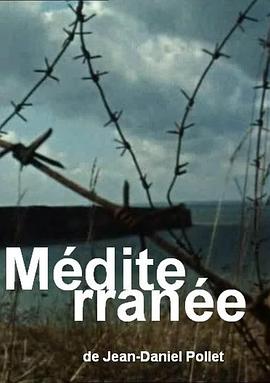
1963年,在着手筹拍长片之前,波莱拍摄了《地中海》(Méditerranée),一部45分钟16mm的影片,改编自作家菲利普·索勒斯(Philippe Sollers)一篇文章,波莱想拍摄一部“叙事电影,但是可以游弋于电影和小说之间,并将文字和影象联系起来”。这部电影环绕地中海拍摄了4个月,展示了沿途的风土人情,花了3年时间剪辑,确立了波莱“电影诗人”的称誉,被评论家认为是“最具形的抽象影像家”。
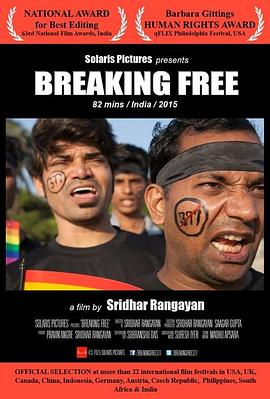
Filmmaker and gay activist Sridhar Rangayan embarks on a personal journey to expose the human rights violations faced by the LGBTQ community in India due to a draconian law Section 377 and homophobic social mores of a patriarchal society. The gritty documentary BREAKING FREE features searing testimonies of gay and transgender persons who have been victimized or exploited, as well as wide-ranging interviews with advocates and activists. See-sawing between despair and joy, anguish and hope, the film offers an insider view of the Indian LGBTQ community and is a documentation of its movement from invisibility to empowerment.
This film is not about the revolution that changed Ukraine this winter. Not exactly. It rather shows a universal pattern of particular kind of uprisings - those ones that end with bloodshed. At first, the noble endeavor for freedom collides with the dark force of repressive rulers. Then eventually, after much confusion and chaos, the righteous anger of people changes to pure outrage. And when the first casualties on both sides fall, no matter how black and white it seems from outside, the edge between good and bad blurs when one looks from the epicenter of a battle. And finally, all things ablaze.
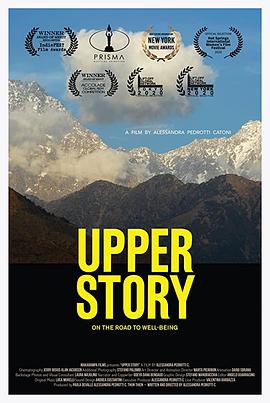
Today, over 10% of the global population suffers from mental health problems. Three decades of collaboration between scientists and Buddhist scholars have revealed techniques that allow us to develop our mental well-being and improve the impact we have on our planet.