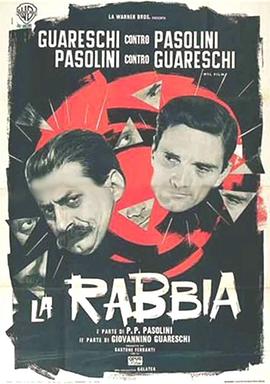
《狂暴 La Rabbia》使用了20世纪50年代的纪录片片段和相关评论,试图回答存在主义的问题:为什么我们的生活以不满、痛苦和恐惧为特征?这部电影分为两个完全独立的部分,这两个部分的导演,左翼的皮埃尔·保罗·帕索里尼和保守派的乔瓦尼·瓜雷希,为观众提供了对现代社会的对比分析和处方。第一部分,由帕索里尼,是一个谴责西方文化的罪行,特别是那些对殖民非洲的罪行。与此同时,它是一部关于前非洲殖民地解放和独立的编年史,把这些民族描绘成世界舞台上的新主角,把马克思主义作为他们的“救星”,并暗示他们“无辜的残暴”将成为这个时代的新宗教。相比之下,瓜雷斯基的角色则是对西方文明的捍卫,以及用传统基督教术语表达的对人类未来的希望。
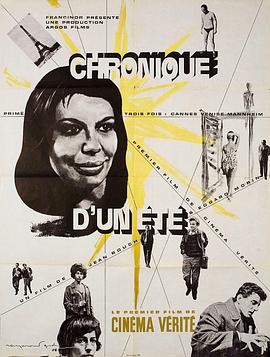
1960年的夏天,社会学家埃德加·莫兰和让·鲁什对巴黎年轻人的日常生活进行调查,了解他们对幸福的理解。这部论述电影连续几个月跟踪调查的进行,也记录了主人公们的变化。调查中被采访的人最后在影片第一次放映的时候聚集在一起观看进行讨论,有人的赞同,有的人驳斥。两位导演通过这部真实电影,经历了既极具挑战又充满乐趣的体验。
"In the summer of 1960, Jean Rouch and Edgar Morin investigated the everyday life of people living in Paris. ""Are you happy? How do you live?"" These are some of questions they asked young people on the street in an attempt to understand their idea of happiness.
From manual labourers, students, to a couple of office workers, the different protagonists reveal themselves in conversation, unconcerned about the presence of the camera. With no script, and no professional actors, this film sets out to frame the limits of cinematographic truth."
1961 戛纳国际电影节 国际影评人奖
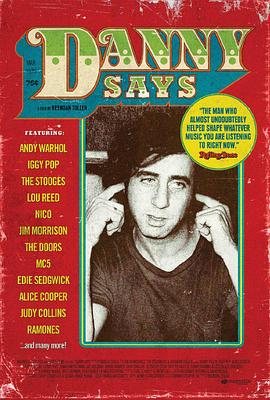
Danny Says is a documentary on the life and times of Danny Fields. Since 1966, Danny Fields has played a pivotal role in music and "culture" of the late 20th century: working for the Doors, Cream, Lou Reed, Nico, Judy Collins and managing groundbreaking artists like the Stooges, the MC5 and the Ramones. Danny Says follows Fields from Phi Beta Kappa whiz-kid, to Harvard Law dropout, to the Warhol Silver Factory, to Director of Publicity at Elektra Records, to "punk pioneer" and beyond. Danny's taste and opinion, once deemed defiant and radical, has turned out to have been prescient. Danny Says is a story of marginal turning mainstream, avant garde turning prophetic, as Fields looks to the next generation.